
About me, Why I became a counsellor
My path into counselling was shaped by lived experience. I grew up in a dysfunctional environment—my parents separated when I was four, and my mum, who was later diagnosed with bipolar disorder, struggled to connect emotionally. Our relationship was marked by rejection and criticism, which deeply impacted my sense of self and shaped my attachment style in adulthood.
For many years, I navigated relationships without boundaries and with low self-worth. This culminated in the end of a 16-year marriage, a painful but transformative turning point. Through that process, I began to understand how early experiences influence how we relate to ourselves and others.
Becoming a parent offered me a chance to rewrite the narrative. I learned how not to treat my son—and in doing so, built a strong, respectful, and loving relationship with him. When my mum passed away eight years ago, I experienced complex grief, which further deepened my understanding of loss, healing, and the importance of compassionate support.
How can counselling help me?
🌿 How Counselling and Psychotherapy Can Help You Heal and Grow
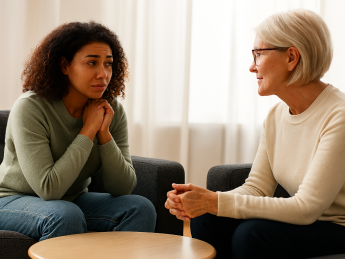
Life can be overwhelming. Whether you're navigating anxiety, grief, relationship struggles, or simply feeling stuck, it’s easy to feel alone in your experience. Counselling and psychotherapy offer a compassionate space to explore what’s going on beneath the surface—and to begin healing in a way that feels safe, respectful, and deeply human.
🌱 What Is Counselling and Psychotherapy?
At its heart, counselling is a collaborative process. It’s not about being “fixed” or given advice. It’s about being truly heard. Psychotherapy goes deeper, helping you understand how past experiences—especially early ones—shape your current patterns of thinking, feeling, and relating.
Together, these approaches offer a way to:
- Explore difficult emotions without judgment
- Understand recurring patterns in relationships
- Heal from trauma and shame
- Build emotional resilience and self-worth
- Discover new ways of coping and connecting
Anxious / Ambivalent Attachment Style
👶 The Roots:
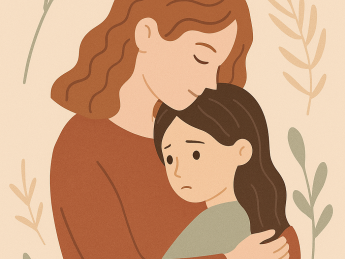
Ambivalent attachment typically forms when a child experiences inconsistent caregiving. A parent may be emotionally available at times, but withdrawn or preoccupied at others. This unpredictability creates a sense of emotional insecurity.
Children with ambivalent attachment often:
- Cry intensely when separated from caregivers but struggle to be soothed upon reunion.
- Cling or become overly dependent, fearing abandonment.
- Exhibit heightened anxiety and difficulty exploring independently.
- “I must work hard to earn love.”
- “Others may leave me, so I need to hold on tightly.”
- “My feelings might overwhelm others.”

Avoidant Attachment Style
Avoidant Attachment: From Childhood Roots to Adult Relationships
🌱 Childhood Origins: The Roots of Avoidance
Avoidant attachment typically forms in early childhood when a caregiver is emotionally unavailable, dismissive, or consistently unresponsive to the child’s needs. These children learn — often unconsciously — that expressing vulnerability or seeking comfort leads to rejection, discomfort, or neglect.
- Emotional self-sufficiency becomes a survival strategy. The child may stop seeking closeness, suppress emotional needs, and rely heavily on themselves.
- Proximity without intimacy. Caregivers may be physically present but emotionally distant, creating a confusing dynamic where the child is near someone who feels unreachable.
- Punishment or dismissal of emotion. When sadness, fear, or neediness is met with criticism or indifference, the child learns to hide these feelings to preserve connection.
Compassionate reflections on navigating sorrow
🌿 Grief, Loss & Bereavement
Grief is love in its rawest form.
It arises when we lose someone or something deeply meaningful—whether through death, separation, illness, or change. It’s not a problem to fix, but a process to honour.
💔 What Grief Feels Like
Grief can be overwhelming, quiet, chaotic, or numb. There’s no “right” way to grieve. It’s shaped by our relationships, our past, and our inner world.
“We grieve because we dared to love.”

Healing begins in relationship
In a world that often prizes independence and self-sufficiency, it can feel vulnerable to admit we need connection. Yet, as human beings, we are wired for relationship. Our earliest experiences—whether nurturing or painful—shape how we see ourselves, how we relate to others, and how we respond to life’s challenges.